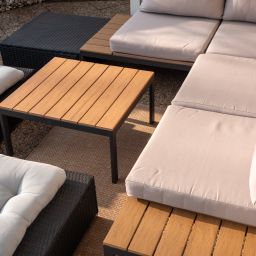
Outdoor furniture and cushions face a different set of challenges than indoor furnishings. They are exposed to direct sunlight, fluctuating temperatures, rain, humidity, and the everyday wear of use, all of which work together to degrade fabric, fade colors, and break down materials over time. The good news is that consistent, thoughtful maintenance can significantly slow that process and keep furniture looking and feeling good for many seasons. Understanding what causes damage and when to address it is the foundation of a maintenance routine that actually works.
Understanding Outdoor Furniture and Cushion Wear
UV exposure is one of the most significant factors in outdoor furniture deterioration. Prolonged sunlight breaks down the dyes in fabric, causing colors to fade, and weakens the fibers themselves, making them more brittle and prone to tearing. This effect is cumulative, so even furniture that looks fine at a glance may be losing structural integrity in the fabric. Materials like acrylic and olefin hold up better under UV exposure than cotton or polyester blends, but no fabric is completely immune to the effects of sustained sun.
Moisture and humidity create a different but equally damaging problem. When cushions absorb water and are not allowed to dry fully before being covered or stored, the trapped moisture becomes an environment where mold and mildew can take hold. This is particularly common in areas with high humidity or where morning dew settles on furniture that is shaded all day. Mold spores can penetrate deep into cushion fill, making the problem difficult to resolve once it has established itself.
Pets and children introduce their own set of stains and damage. Food and drink spills, pet hair, muddy paws, and the general activity of a busy household all leave marks on cushions and frames. These stains are often more difficult to remove than environmental damage because they tend to be more concentrated and can set into fabric if not addressed promptly. The type of stain matters: protein-based stains from food or pet accidents behave differently than tannin-based stains from drinks like wine or tea, and each responds differently to cleaning.
The care needs of a residential patio differ from those of a commercial setting. A family’s outdoor space sees intermittent use, which gives furniture time to dry and recover between sessions. A resort, golf club, or restaurant patio, by contrast, may have cushions in continuous use with little downtime. That constant exposure to weight, moisture, and foot traffic accelerates wear and means that commercial properties generally need more frequent cleaning and more durable materials to maintain appearance and safety.
Seasonal Care Through the Year
Spring is the natural time to assess what winter has done to your outdoor furniture. Before putting cushions back into regular use, inspect them for signs of moisture damage, mold, or fabric breakdown that may have developed during storage. Frames should be checked for rust, loose joints, or cracks that may have gone unnoticed while the furniture was out of sight. A thorough cleaning at this stage removes any dust, debris, or residue that accumulated during the off-season and gives you a clean baseline for the coming months.
Summer brings the most intense environmental stress. Direct sun, heat, and the likelihood of spills from outdoor meals and drinks all increase the wear on cushions and frames. During this period, regular surface cleaning becomes important to prevent stains from setting and to remove the pollen, dust, and organic debris that build up in warm weather. Rotating cushions periodically can help ensure even wear and exposure, and moving furniture into shade during peak sun hours reduces UV damage.
As fall approaches, the priority shifts to cleaning and preparing for cooler, wetter conditions. This is the time to do a more thorough cleaning of cushions and frames before the weather turns, because once rain becomes frequent, it becomes harder to get furniture fully dry between uses. Addressing any stains or minor damage now, while the weather is still cooperative, is easier than trying to clean wet, mold-affected fabric in November.
Winter storage is where many long-term problems originate. Cushions that are stored while still damp, or that are compressed under heavy items, are at risk for mold growth, fill breakdown, and permanent deformation. The goal for winter storage is to keep furniture dry, ventilated, and free from sustained pressure. The specifics of how to do this well depend on your climate and storage space, but the underlying principle is consistent: protect the materials from the conditions that cause damage.
Cleaning Cushions and Frames Safely
Knowing what fabric you are working with is the first step in cleaning outdoor cushions safely. Most modern outdoor cushions use acrylic, olefin, or solution-dyed polyester, all of which are more resistant to water and UV damage than natural fibers. Some cushions have removable covers that can be hand-washed or machine-washed on a gentle cycle, while others are designed to be cleaned in place. Checking the manufacturer’s care label, if one is present, will tell you whether the cover is removable and what level of agitation the fabric can tolerate.
Routine surface cleaning is the most effective way to prevent the buildup that makes deeper stains harder to remove. A soft brush or damp cloth can remove dust, pollen, and light debris before they work into the fabric. For slightly heavier soiling, a mild soap solution applied with a soft sponge and rinsed with clean water is usually sufficient. The key is to rinse thoroughly and allow the cushion to dry completely before covering or storing it.
Pet and child-related stains require a slightly different approach. Protein-based stains, such as those from food, pet accidents, or grass, respond well to a cold water rinse followed by a mild enzymatic cleaner that breaks down the proteins. Tannin-based stains from wine, coffee, or tea are better treated with a dilute vinegar solution or a purpose-made stain remover. In both cases, blotting rather than rubbing helps prevent the stain from spreading or working deeper into the fabric. If a stain has set or the fabric is delicate, professional cushion cleaning can provide a more thorough result without the risk of damage that aggressive home cleaning might cause.
Frames and structural components also need attention. Metal frames, particularly aluminum, can develop surface corrosion or oxidation if left exposed to moisture without regular cleaning. A mild detergent and water solution, followed by a thorough rinse and dry, keeps metal surfaces in good condition. Wicker and rattan furniture, whether natural or synthetic, benefits from a soft brush to remove trapped debris and a gentle wipe-down to prevent dirt from embedding in the weave. For natural wicker, avoiding excess water is important, as prolonged moisture can cause the material to swell, warp, or develop mold in the gaps.
Protecting Against Sun, Mold, and Moisture
Shade is the most effective protection against UV damage. Positioning furniture under a pergola, umbrella, or eave reduces direct sun exposure and slows the fading and fiber breakdown that sustained UV causes. When furniture must be in open sun, using UV-resistant covers during peak hours can make a meaningful difference. Covers should be breathable, however, because a non-breathable cover that traps heat and moisture against the fabric can create its own problems.
Ventilation and drying practices are central to preventing mold and mildew. After any exposure to rain, humidity, or condensation, cushions should be uncovered and allowed to air out fully before being stored or re-covered. In humid climates, this may mean leaving cushions uncovered for a day or two after a wet spell. Placing furniture in a location that receives some airflow, rather than in a tight corner or enclosed space, also helps moisture evaporate more quickly.
Eco-friendly cleaning practices serve a dual purpose. Using mild, biodegradable soaps and avoiding harsh chemical cleaners protects the environment by reducing the volume of toxic runoff that enters waterways from outdoor cleaning. They also tend to be gentler on fabrics and finishes, reducing the risk of discoloration or material damage that can come from aggressive solvents. For households with pets or young children, this is an added benefit, as it reduces the likelihood of residual chemicals remaining on surfaces that children or animals may come into contact with.
Regular inspections for wear and structural issues catch problems while they are still manageable. Check cushion covers for loose stitching, thinning fabric, or small tears that could expand with continued use. Examine the cushion fill for signs of compression, clumping, or moisture damage. On frames, look for rust spots, loose screws, or joints that have become wobbly. Addressing these small issues early prevents them from becoming larger repairs or replacements later.
Repair, Replacement, and Off-Season Storage
Knowing when to repair versus replace a cushion depends on the extent of the damage. A loose seam, a small tear in the cover, or a localized area of wear can often be repaired with a re-stitch or a patch, especially if the underlying fill is still in good shape. When the fill itself has broken down, lost its resiliency, or become permanently damp, replacement is usually the better option. A cushion that no longer springs back after compression or that has developed a musty odor that persists after cleaning has likely passed the point where repair is worthwhile.
Before storing cushions for the off-season, they need to be clean and completely dry. Any residual moisture trapped inside the cushion or its cover will create a humid microenvironment that encourages mold growth, even in a closed storage space. Allow cushions to dry in a well-ventilated area, ideally with some airflow, for at least 24 to 48 hours after cleaning. If you are in a particularly humid climate, extending the drying period is a prudent precaution.
Proper storage methods protect cushions from the three main threats during the off-season: moisture, pests, and compression. Store cushions in a dry, well-ventilated space such as a garage, shed, or basement, away from direct contact with concrete floors where ground moisture can seep in. Use breathable storage bags or containers rather than sealed plastic, which traps humidity. Avoid stacking heavy items on top of stored cushions, as sustained pressure can permanently deform the fill. If space is limited, lay cushions flat rather than stacking them to minimize compression.
Furniture frames also benefit from preparation before seasonal downtime. Clean metal frames to remove any surface moisture or debris that could initiate corrosion, and apply a light coat of protective wax or sealant to natural wood or wicker to help them retain their finish over the storage period. Tighten any loose hardware, and if possible, store frames in a position that avoids sustained pressure on any single point. These small steps take little time but can make the difference between furniture that is ready for immediate use in spring and furniture that needs significant restoration before it can go back outside.
Maintaining outdoor furniture is less about any single dramatic action and more about consistent attention to the conditions that cause damage. A routine of regular cleaning, smart placement, and proper storage keeps cushions and frames in good shape season after season. When the time comes for a deeper clean or a repair that is beyond a home fix, professional cushion cleaning services can restore furniture that has accumulated years of wear. Prestige Cleaners has been serving the Scottsdale and Carefree communities for over sixty years, and our team is happy to help you keep your outdoor space looking its best, whether it is a family patio or a commercial property that needs to present well every day.
Outdoor cushions face constant exposure to sun, moisture, and use, which leads to a predictable set of stains and damage types. The most frequent issues are UV fading and fabric brittleness, where prolonged sun exposure dulls color and weakens fibers. Mold and mildew growth is common in humid or shaded areas, appearing as dark spots or musty odors after damp cushions are left to dry slowly.
Organic stains from spills are also typical. Food and drink spills, bird droppings, pollen, and grass can set into fabric if not rinsed promptly. Pet accidents and oils from skin contact create yellowish or greasy marks that penetrate the cushion cover. In colder climates, freeze-thaw cycles can cause water to expand inside foam cores, leading to cracking or loss of resilience.
Physical damage completes the list. Abrasion from repeated use, tears from sharp objects, and zipper failures on removable covers are common. Over time, cushion foam can compress permanently, creating flat spots that reduce comfort even when the cover looks intact.
Ultraviolet radiation is the primary cause of fading, drying, and cracking of outdoor fabrics and frames. Protection starts with placement. Positioning furniture under natural shade from trees, pergolas, or awnings reduces direct UV exposure during peak hours. Rotating cushions and pillows regularly helps ensure even fading rather than concentrated bleaching on one side.
Physical barriers are effective when shade is not available. UV-resistant covers made from solution-dyed acrylic or polyester are designed to block a high percentage of UV rays. Breathable furniture covers prevent moisture trapping while still shielding the pieces. For cushions left in place, using outdoor-grade fabrics with UV inhibitors in the dye and weave slows degradation.
Maintenance habits also matter. Brushing off dust and pollen prevents abrasive buildup, and rinsing fabrics periodically removes surface contaminants that can magnify UV effects. When furniture is not in use for extended periods, storing it covered or indoors extends the life of both frame and upholstery.
Regular cleaning removes surface soils, oils, and allergens that accumulate from daily use. Dirt acts as an abrasive on fabric fibers and can trap moisture against the material, creating conditions for mold and mildew. Removing these residues helps maintain the original color and texture of the cushion cover.
From a comfort and hygiene perspective, routine cleaning reduces buildup of body oils, sweat, and outdoor contaminants that can lead to odors. For cushions used on patios, balconies, and commercial seating areas, regular care also supports a more welcoming appearance for guests and clients.
Preventive cleaning extends service life. Addressing light stains early prevents them from setting permanently, and keeping foam cores dry reduces the risk of internal deterioration. A consistent cleaning schedule is less intensive and less costly than deep restoration after prolonged neglect.
Proper winter preparation begins with thorough cleaning and complete drying. Cushions should be washed according to fabric care instructions and allowed to air dry fully before storage. Any remaining moisture can lead to mildew growth during months of storage.
Once dry, inspect cushions for damage and repair small tears or replace worn zippers to prevent further deterioration. Place cushions in breathable storage bags or cotton covers rather than airtight plastic, which can trap humidity. Avoid storing cushions directly on concrete floors; use pallets or shelving to allow air circulation.
Store cushions in a cool, dry, and dark location such as a garage, shed, or basement. Keep them off the ground and away from pests. For foam-filled cushions, storing them upright or loosely stacked helps maintain shape. Label bags by area or set to simplify retrieval in spring.
Pet and child messes often involve proteins, oils, and dyes that can set quickly. Act promptly by blotting excess liquid with a clean cloth rather than rubbing, which can spread the stain. Rinse the area with cool water to dilute the spill before applying any cleaner.
For fabric-safe cleaning, mix a mild solution of water with a small amount of gentle detergent or an enzyme-based cleaner designed for organic stains. Test on an inconspicuous area first. Apply the solution lightly, work it into the fabric with a soft brush, and rinse thoroughly with clean water. Allow the cushion to air dry completely in shade to avoid UV setting.
Prevent future issues by using washable cushion covers, placing washable throws over high-use seating, and establishing a routine rinse schedule. For persistent odors, ensure the foam core is not saturated; in cases of deep penetration, professional evaluation may be needed to assess whether the core requires replacement.
Mold and mildew thrive in warm, damp, and shaded conditions. The most effective prevention is keeping cushions dry. After rain or spills, remove cushions from furniture and allow both sides to air dry fully before replacing them. Using furniture with slatted bases or cushion lifts improves airflow underneath.
Regular cleaning removes organic debris that feeds microbial growth. Brushing off leaves, pollen, and dust prevents buildup in fabric crevices. Applying a fabric protector designed for outdoor use can add a water-repellent barrier, reducing absorption of moisture.
Storage practices matter during off-season or extended non-use. Cushions should be stored dry, in breathable covers, and in a well-ventilated space. Avoid covering wet cushions with plastic, which traps moisture. In humid climates, periodic inspection during storage helps catch early signs of mildew before it spreads.
Repair is usually appropriate for localized issues such as small tears, loose stitching, or broken zippers on otherwise sound covers. If the foam core is still resilient and the fabric retains its color and water resistance, patching or reupholstering can extend life.
Replacement becomes necessary when structural problems are present. Signs include permanent compression of foam that does not rebound, persistent odors after cleaning, or widespread mold inside the core. Fabric that is brittle, heavily faded, or has extensive fraying may no longer protect the interior.
Commercial settings with high traffic may need more frequent assessment. Evaluating cushion condition seasonally helps balance comfort, appearance, and safety. Keeping a simple log of wear patterns can inform whether spot repairs suffice or a full refresh is more cost-effective.
High-end patio sets with solution-dyed acrylics, Sunbrella, and other premium outdoor fabrics benefit from professional cleaning because specialized equipment can remove deep-seated soils without damaging water-resistant finishes. Luxury residential patios and commercial properties such as resorts and golf clubs often use these materials for durability and appearance.
Cushions with complex constructions, such as those with multiple panels, piping, or removable but delicate covers, are also good candidates. Professional methods can address interior foam and core cleaning while preserving fabric integrity.
Items exposed to heavy use, pet accidents, or seasonal staining are often difficult to restore with household products. In those cases, a professional evaluation can determine whether cleaning, reconditioning, or replacement is the most appropriate option.
Eco-friendly cleaning practices focus on using biodegradable detergents, low-impact solvents, and water-efficient methods that reduce chemical runoff into soil and waterways. These approaches are especially relevant for outdoor furniture that is cleaned on patios, decks, and commercial grounds.
Environmentally conscious products can still be effective on common outdoor stains such as mildew, oils, and food residues while being gentler on fabrics and frames. They also reduce exposure to harsh residues for people and pets who use the space.
At Prestige Cleaners, we emphasize eco-friendly cleaning practices as part of our garment care services. While our core business is professional dry cleaning, laundry, tailoring, and specialty cleaning in Scottsdale and Carefree, our commitment to environmentally responsible methods reflects the same care philosophy we apply to household items entrusted to us.
Cleaning frequency depends on climate, usage, and exposure. In arid, sunny regions like Arizona, dust and UV exposure are primary concerns, so light rinsing every 2 to 4 weeks during peak use keeps surfaces fresh. In humid or rainy climates, more frequent checks for moisture and mildew are needed.
Seasonal deep cleaning is a good baseline. Clean cushions thoroughly at the start of the outdoor season and again before winter storage. After events, spills, or heavy use, spot cleaning prevents stains from setting.
Commercial properties with daily guest use often benefit from a monthly maintenance schedule with quarterly deep cleaning. Residential users can adjust based on personal use patterns, but a consistent routine prevents buildup that becomes harder to remove over time.