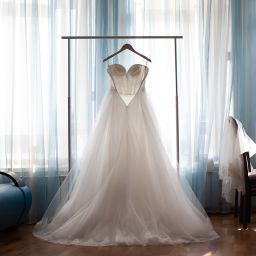
A wedding gown is one of the most complex garments a person will ever own. Multiple fabric layers, hand-sewn beading, delicate lace appliqués, and structural elements like boning and internal corsetry all sit together in a single piece of clothing. After a day of wear, dancing, and exposure to air, food, and humidity, that garment carries far more accumulated residue than it might appear to. Professional wedding gown preservation is designed to address all of that residue and then prepare the dress for decades of safe storage, and the process is considerably more involved than a standard dry cleaning cycle.
Understanding what happens from the moment you bring the gown in to the moment it is sealed in its preservation box can help you feel confident in the care your dress receives and make it easier to prepare the gown properly in the days immediately after your wedding.
Why Wedding Gowns Need Specialized Preservation
The soils a wedding gown accumulates during a wedding day are often invisible to the eye. Perspiration settles into the bodice lining, the hem picks up traces of grass, sand, or floor polish, and the fabric absorbs ambient humidity and airborne particles over the course of several hours of wear. None of these are dramatic stains you can point to, but they are organic and environmental residues that, left untreated, will break down the fibers over time. Cotton and silk linings yellow. Delicate tulle stiffens. Beadwork can corrode as moisture and salts work their way into the threads that hold each element in place.
The construction of a bridal gown makes it especially vulnerable to the wrong kind of cleaning. Heavy beading, sequin clusters, layered organza, and hand-embroidered florals cannot all tolerate the same solvents, agitation, or heat. A standard dry cleaning solvent that works well on a wool suit may be too aggressive for a silk chiffon overlay or may cause certain dyes to bleed. Similarly, a machine wash-and-fold cycle that handles everyday cotton would distort the shape of a structured corset or pull at delicate lace. A gown that is meant to be a keepsake for years, or for generations, needs cleaning methods matched to each specific material in the garment.
Professional wedding gown preservation services exist to bridge that gap. The goal is not simply to make the dress look clean on the day it comes back. It is to remove the residues that would otherwise cause gradual deterioration, to finish the garment so it holds its shape, and to place it in a storage environment that keeps it stable for the long term. A gown treated with that level of care is far more likely to look the way it did on the wedding day when a daughter, a granddaughter, or a future bride opens the box years from now.
Preparing the Gown Before Professional Care
The first few days after the wedding are the window where a gown is most at risk for preventable damage. The instinct to treat a visible stain immediately, or to fold the dress into a closet while you sort through post-wedding tasks, is understandable, but both actions can make the professional cleaning process harder and increase the chance of permanent marks.
Resist the urge to apply spot removers, stain pens, or household cleaning products to the fabric. Many of these contain ingredients that can react with dyes, set protein-based stains (like those from food or drink) more firmly into the fibers, or damage the finish on beaded and embroidered areas. If a stain is visible, note its location and general size, and leave it for the cleaning team to assess. They can choose a treatment method that is appropriate for the specific fabric and embellishment underneath.
Store the gown in a breathable garment bag rather than a plastic dry cleaning cover or a sealed plastic bag. Plastic traps moisture against the fabric, and even a small amount of residual humidity can encourage mildew or create a musty odor that is difficult to remove later. A cotton or non-woven garment bag allows air to circulate while keeping dust off the surface. Hang the gown by the straps or the built-in hanging loop if one is present, and avoid folding it in a way that presses beading or embroidery flat against the fabric.
If there are areas you are concerned about, take a moment to photograph them or write down their locations before the gown goes into the bag. This helps the care team focus their inspection and lets you confirm that every spot you noticed has been addressed. There is no need to rush the gown to a cleaner the next morning. Giving it a few days to settle in a breathable bag is perfectly fine, and it gives you time to choose a preservation service that you trust.
The Professional Cleaning and Finishing Process
When the gown arrives for preservation, the first step is a thorough inspection. The care team examines the fabric, the construction, the lining, and every area of embellishment. They identify the types of stains present, note any existing wear or minor damage, and document the condition of the garment before any cleaning begins. This baseline assessment matters because it allows the team to match their treatment to what the gown actually needs, and it gives you a record of the dress’s condition at the point of intake.
Stain treatment follows the inspection. Different stains call for different approaches. A food-based stain in the hem lining may respond to an enzymatic pretreatment, while a mark on a beaded bodice panel may require a gentler, localized method that avoids the surrounding threads and sequins. The key principle is that the treatment is chosen for the specific fabric and embellishment it is being applied to, not applied uniformly across the entire garment. This is where the difference between a standard dry cleaning drop-off and a specialized bridal preservation service becomes most apparent.
Once the stains are treated, the gown undergoes a cleaning process tailored to its materials. Delicate bridal fabrics such as silk, chiffon, organza, and tulle are cleaned with methods and solvents selected for their compatibility with those fibers. Beading, sequins, and embroidery are protected throughout the process so that the weight and tension of cleaning do not pull or dislodge decorative elements. The cleaning is thorough but gentle, designed to remove the accumulated residues described earlier without stressing the fibers.
The final stage of the cleaning process is hand pressing and finishing. Rather than running the gown through a high-heat press that could flatten lace, scorch delicate overlays, or shift beading, the care team uses hand-pressing techniques to restore the garment’s shape. Seams are pressed flat, the hem is set, and the overall silhouette is smoothed so the gown looks finished and ready for storage. This step is what gives the preserved gown the same clean, structured appearance it had on the wedding day, without the risk of heat damage that a standard pressing would pose.
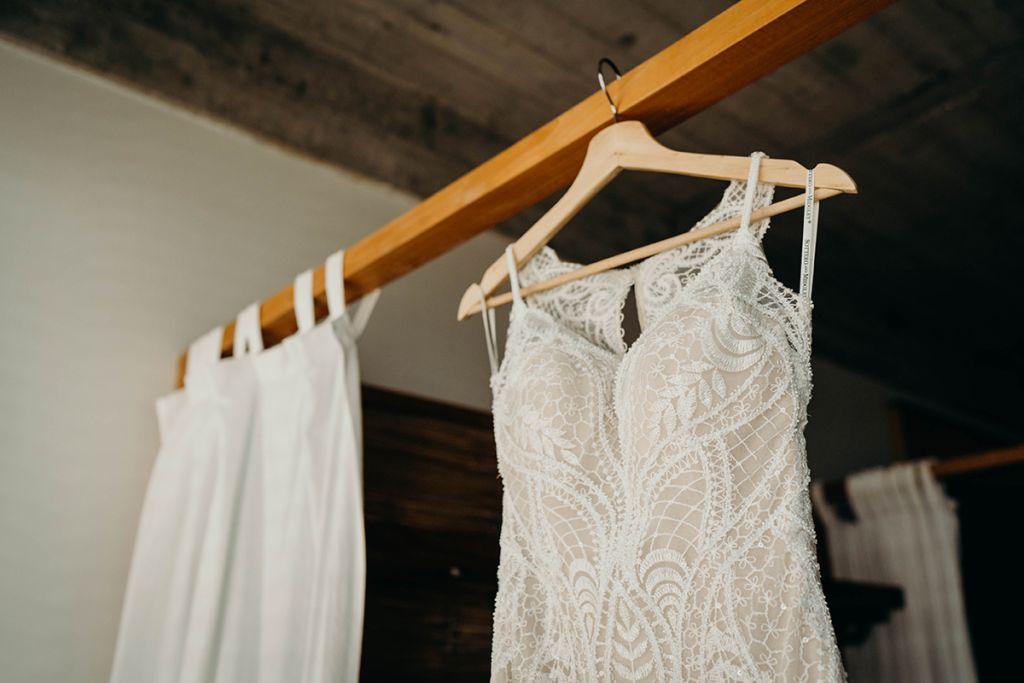
Archival Preservation and Long-Term Storage
A cleaned gown is still a delicate garment. Without the right storage environment, the careful cleaning work can be undone by the slow, invisible effects of light, heat, humidity, and acidic materials over the years. Archival preservation addresses those long-term risks.
The first element is the materials used to cushion and separate the fabric. Acid-free tissue paper is interleaved between layers of the gown, particularly in areas where pleats, ruffles, or overlapping panels create points of pressure. Standard tissue paper and many household papers contain acids that migrate into the fabric over time, causing yellowing and weakening. Acid-free materials do not have that effect, so they keep the gown stable without introducing a new source of damage.
The gown is then placed in an archival preservation box. These boxes are constructed from materials that are chemically stable and will not off-gas or react with the fabric over decades of storage. The box provides a physical barrier against dust, light, and accidental handling, and it keeps the gown in a supported shape that avoids the creasing and stress that come from hanging a heavy, embellished dress on a hanger for years. At Prestige Cleaners, the wedding dress cleaning and preservation service includes professional cleaning, hand pressing, and placement in an archival preservation box, so the gown goes from the cleaning process directly into a storage solution designed for its long-term protection.
Where the box is stored matters as much as what it is made of. A stable environment with consistent temperature, limited humidity, and minimal direct or indirect light is ideal. A closet in a climate-controlled bedroom is generally better than a garage, attic, or basement, where temperature swings and moisture fluctuations are common. Even brief exposure to strong sunlight can fade dyes and weaken fibers, so keeping the box away from windows and heat sources is a simple but meaningful step. The box itself should be kept closed when the gown is not being displayed or handled.
Caring for the Gown Between Wearings
A preserved gown is not a set-and-forget item. If you plan to display the dress on an anniversary, wear it again for a special occasion, or simply take it out of the box to look at it every few years, a few practical habits will help keep it in good condition.
Handle the gown with clean, dry hands, and avoid touching the fabric more than necessary. Oils from skin can leave faint marks on light-colored silks and chiffons, and repeated handling can work loose a bead or fray a thread that was secure for years. If you are displaying the gown, keep it out of direct sunlight and away from radiators or other heat sources. Even indirect light over many hours can gradually shift the color of dyes and the tone of natural fibers.
Before putting the gown back into its archival box after a display or a re-wearing, take a moment to inspect it. Look for any new stains, moisture spots, or areas where the fabric has shifted or compressed. If the gown was worn again, it has accumulated the same kinds of residues described earlier, and a professional re-evaluation before it returns to long-term storage is the safest course. Repeatedly folding the gown in the exact same crease can set a permanent line in the fabric, so when you do need to fold it for storage, vary the fold slightly each time.
If you are uncertain about a stain, a loose embellishment, or whether the gown has been exposed to moisture or pests, it is worth bringing it back to a professional for a look before it goes back into the box. A small issue caught early is far easier to address than one that has had years to work its way into the fibers.
Your wedding gown is a garment that carries more than fabric and thread. It holds the shape of a day that matters to you, and the right care after that day is what keeps it looking the way it did when you walked down the aisle. If you are in the Scottsdale or Carefree area and are looking for a professional wedding dress cleaning service that handles everything from stain treatment to archival boxing, the team at Prestige Cleaners is here to walk you through the process and answer any questions you have before you bring the gown in. With more than sixty years of garment care experience and locations throughout the Valley of the Sun, we would be glad to help you protect the dress for all the years ahead.
Professional wedding gown preservation is a multi-step process designed to remove stains and prepare a delicate garment for long-term storage. The process typically begins with a detailed inspection and documentation of the gown’s fabrics, beadwork, lace, and any stains or damage. Photographs and notes may be taken to track the gown’s condition before and after treatment.
Next, the gown is pre-treated and cleaned using methods selected for its specific fabrics and embellishments. Cleaning solutions and techniques are chosen to remove wedding-day stains, such as perspiration, makeup, and environmental marks, without damaging silk, satin, or delicate trims. Hand finishing is then performed to restore the gown’s shape, smooth seams, and address minor issues.
After cleaning, the gown is carefully hand-pressed and inspected again. For preservation, the garment is placed in archival-quality materials designed to help prevent yellowing and deterioration. The final packaging helps protect the gown from light, moisture, and pollutants during storage.
Preservation timelines vary depending on the gown’s complexity, level of soiling, and seasonal demand. A lightly soiled gown with simple construction may be completed in approximately two to three weeks, while heavily embellished, heavily soiled, or vintage gowns may require additional time for careful treatment and drying.
Professional cleaners typically complete the process in stages, including inspection, pre-treatment, cleaning, drying, hand finishing, pressing, and final packaging. Stains requiring specialized treatment or multiple cleaning attempts may extend the timeline. Rush services may be available for an additional fee, although they are not always appropriate for delicate fabrics.
It is best to arrange cleaning soon after the wedding, before stains have time to set. Requesting an estimated completion date when dropping off your gown can help you plan for its return
Proper preparation helps protect your gown and allows the cleaner to assess its condition accurately. Keep the gown in a breathable garment bag rather than plastic, which can trap moisture. Avoid attempting to remove stains at home with household cleaning products, as these may set stains or damage delicate fibers.
Avoid ironing, steaming, or hanging the gown for extended periods before cleaning. Prolonged hanging can stretch delicate fabrics and distort the gown’s shape, especially when heavy beadwork or multiple layers are involved. Make note of any visible stains, tears, loose beads, or missing buttons.
Share details about your wedding day, including exposure to rain, grass, food, or makeup, so the cleaner can identify potential stains. If available, bring the original garment bag and care instructions. Until drop-off, store the gown flat or properly supported to minimize stress on its structure.
Professional wedding gown preservation uses specialized cleaning solutions and handling techniques designed for delicate fabrics and embellishments. Experienced garment care professionals can remove both visible and invisible stains, including body oils and perspiration, that may contribute to yellowing and fabric deterioration over time.
Professional preservation also includes archival-quality packaging designed to protect against environmental damage. Home storage often involves plastic garment bags or standard cardboard boxes, which may trap moisture or contain materials that contribute to discoloration. Professional services also include careful inspection and hand finishing to help maintain the gown’s condition.
The primary benefit is long-term protection. A properly cleaned and preserved wedding gown is less likely to develop odors, discoloration, or weakened fibers, helping maintain its beauty for future display, re-wearing, or passing down as a family keepsake.
Between your wedding day and professional cleaning, the goal is to prevent additional damage and minimize the risk of stains becoming permanent. Avoid storing your gown in a sealed plastic bag, which can trap moisture and encourage mildew. A breathable cotton or muslin garment bag is a better option for short-term storage.
Do not hang the gown for extended periods. Heavy fabrics, multiple layers, and beadwork can place stress on seams and distort the gown’s shape. If hanging is necessary for transportation, use a padded hanger and support the gown’s weight.
Store your gown flat in a cool, dry location away from direct sunlight, heat, and humidity. Keep it away from perfumes, household cleaning products, and areas with fluctuating temperatures. Schedule professional cleaning as soon as practical, ideally within a few weeks of the wedding, to improve the chances of successful stain removal.
Professional wedding gown cleaners can treat many common wedding-day stains, including perspiration, body oils, makeup, deodorant, wine, champagne, food, grass, and dirt. They can also address environmental stains caused by outdoor venues, transportation, and other wedding-day activities. Each treatment is selected based on the gown’s fabric, construction, and embellishments.
Minor damage, such as loose beads, small tears, or pulled threads, may also be addressed before cleaning and preservation. Garment care professionals can assess whether repairs should be completed before preservation or documented for future attention.
Severe damage, extensive discoloration, and aging fabrics may present additional challenges. A professional inspection helps determine which stains and imperfections can be safely treated without compromising the gown’s integrity.
For long-term storage, keep your preserved wedding gown in an environment with a stable, moderate temperature and controlled humidity. Avoid attics, basements, and garages, where temperature and moisture levels can fluctuate significantly. Direct sunlight should also be avoided, as prolonged exposure can fade fabrics and weaken fibers.
Keep the gown in its archival preservation box or an acid-free storage container with appropriate tissue supports to help maintain its shape. Avoid placing newspaper, regular tissue paper, or plastic bags inside the box, as these materials may transfer acids or trap moisture. Store the box flat without stacking heavy objects on top.
Periodically inspect the storage area for signs of moisture, pests, or environmental changes. If necessary, have the gown professionally inspected and repackaged using fresh archival materials. Proper storage helps maintain the gown’s appearance and structural integrity for years to come.
Yes, a professionally preserved wedding gown can generally be worn again, provided the fabric and construction remain in good condition. However, wearing the gown again introduces the possibility of new stains, snags, stretching, and other damage.
Before re-wearing your gown, have it professionally inspected for changes in fabric condition, loose beadwork, or alterations needed for a proper fit. Vintage or heavily embellished gowns may require additional care and support to prevent damage during wear.
If you plan to display your gown rather than wear it, use a properly padded mannequin or dress form and keep it away from direct sunlight. After wearing or displaying the gown, professional cleaning and preservation are recommended before returning it to long-term storage.
Several factors influence the cost and timeline of professional wedding gown preservation, including the gown’s size, fabric, construction, and level of detail. Gowns featuring multiple layers, lace overlays, intricate beadwork, sequins, or delicate trims often require additional handwork and specialized handling.
The extent of staining and soiling also affects the process. Heavily soiled gowns or those with set-in stains may require multiple cleaning treatments, specialized stain removal, and additional drying time. Vintage fabrics may require gentler cleaning methods and more careful handling.
Seasonal demand, rush requests, and additional services such as repairs, reweaving, or custom archival packaging may also affect pricing and completion times. An in-person inspection allows the cleaner to provide a more accurate estimate based on the gown’s specific needs.
We provide professional wedding gown cleaning and preservation services at our eight locations throughout Scottsdale and Carefree, Arizona. Our wedding gown preservation service includes professional cleaning, hand pressing, and placement in an archival preservation box designed for long-term keepsake storage.
Convenience is an important part of our service. We offer complimentary pickup and delivery to homes and offices, along with 24-hour drop-off and pickup options at several locations. Same-day processing is available for many everyday garments dropped off by 10:00 AM. Most of our locations are open Monday through Friday from 7:00 AM to 6:00 PM and Saturday from 8:00 AM to 6:00 PM.
With more than 60 years of experience serving Arizona, our team provides careful attention to specialty garments and treasured keepsakes. Visit any of our Scottsdale or Carefree locations, or take advantage of our complimentary pickup and delivery service for a convenient wedding gown cleaning and preservation experience.