Dry cleaning is a professional garment care process that uses a liquid solvent in place of water to clean and preserve clothing. The name can be misleading: the process is not about avoiding water at all costs, and it is not a one-size-fits-all substitute for the wash cycle you run at home. It is a different approach to cleaning, designed for garments where water, heat, and mechanical agitation would cause damage that a standard wash simply cannot avoid. Understanding what the process actually does, which garments benefit from it, and what happens between the moment you drop off a jacket and the moment you pick it up can make the decision about how to care for your clothing much simpler.
What Professional Dry Cleaning Is and Isn’t
The most common misconception about dry cleaning is that it is defined by the absence of water. In practice, the defining feature is the cleaning medium: a petroleum-based or hydrocarbon solvent that lifts oils, grease, and other non-water-soluble soils without swelling or distorting the fibers that make up the garment. Water-based washing relies on detergents that break apart soil through surfaction and agitation. Solvent-based cleaning works differently. The solvent penetrates the fabric, dissolves the soiling agents, and is then drained and recycled, leaving the fiber structure largely undisturbed.
This difference in mechanism is what makes the two methods suited to different tasks. A cotton t-shirt with sweat and food stains responds well to the mechanical action of a washing machine and the chemical action of a laundry detergent. A wool suit jacket, by contrast, holds its shape through a combination of fiber structure, interfacings, and finishing treatments that water and agitation can permanently compromise. The solvent-based process cleans the fabric while leaving those structural elements intact.
The broader goal of professional dry cleaning is preservation. A garment that goes through a home wash might come out clean in the sense that visible soil is gone, but the weave may have loosened, the shoulders may have dropped, the color may have shifted, or the lining may have separated from the shell. Professional care aims to remove soiling while maintaining the fabric’s hand, the garment’s silhouette, and the finish the manufacturer applied. In other words, the standard of success is not merely “it looks clean” but “it looks and fits the way it did before it went in.”
When Dry Cleaning Is the Right Choice for a Garment
Not every piece of clothing needs or benefits from dry cleaning. The process is most appropriate for garments where the fabric, construction, or finish makes water-based washing risky. Delicate fibers such as silk, cashmere, and fine wools can felt, shrink, or lose their drape when exposed to hot water and tumbling. Structured garments like blazers, tuxedos, and tailored coats rely on internal interfacings and padding that can warp or dissolve in water. Specialty finishes, including water-repellent coatings, wrinkle-resistance treatments, or bonded seams, can break down when the garment is subjected to the conditions of a home wash cycle.
A second category of garments that benefit from professional care includes items prone to shrinkage, color bleeding, or loss of shape. Knit sweaters, unstructured linen pieces, and garments with loose dyes can all suffer in a washing machine, even on a gentle cycle. The agitation and spin action that a home machine applies is difficult to control precisely, and the results are often irreversible. Professional cleaning avoids that mechanical stress entirely, which is why a garment that has held its shape for years can suddenly look different after a single home wash.
The care label sewn into a garment is the manufacturer’s assessment of which cleaning method the construction can withstand. When a label reads “dry clean only” or displays the circle-with-a-P symbol, that recommendation reflects the fiber content, the dyes used, the type of interfacings, and the finishing treatments applied during production. The guidance exists because the manufacturer tested the garment’s response to water, heat, and agitation and determined that professional solvent cleaning was the method that preserved the item’s appearance and structure over repeated cleanings. Following that label is the most reliable way to extend the life of the garment.
How Fabric and Construction Influence Care Decisions
Different fibers respond to water, heat, and mechanical force in distinct ways. Natural proteins like silk and wool absorb water readily and can swell, weaken, or felt under agitation. Cellulose fibers like cotton and linen tolerate water well but can shrink if exposed to high heat or aggressive spinning. Synthetic fibers such as polyester and nylon are more resistant to water damage but can be sensitive to the heat settings on a home dryer or the chemical composition of certain detergents. Knowing which fiber dominates a garment helps explain why one piece can go in the wash while another cannot.
The internal construction of a garment matters as much as the outer fabric. A suit jacket contains interfacings in the collar, lapels, and chest that bond the shell to the lining and give the garment its shape. Many of these interfacings are paper-based or thermally fused and can soften, separate, or dissolve when exposed to water and heat. Trims such as leather patches, beaded appliqués, or metal hardware can corrode, bleed, or pull away from the fabric in a home wash. The combination of outer fiber, internal structure, and decorative elements determines whether a garment can survive the conditions of a washing machine.
Colorfastness and embellishments add another layer of consideration. Dyes that are not fully set can migrate when the garment is wet, staining adjacent areas or the washing machine drum. Beaded or embroidered details can snag, unravel, or shift under agitation. A garment that is otherwise simple in fiber content may still require professional care because of a single decorative element that would not survive a home wash. Evaluating the full construction, not just the main fabric, is what separates a safe cleaning choice from a costly mistake.
What Happens During Professional Care, From Drop-Off to Return
The process begins before any cleaning takes place. When a garment arrives at a garment care facility, a technician inspects it for existing stains, damage, loose threads, missing buttons, or any condition that could be affected by the cleaning process. Stains are noted, and if a customer has flagged a particular concern, that instruction is recorded on the garment’s tag. This step matters because it establishes a baseline: if a stain was present before cleaning, it is documented, and the customer is informed of what can and cannot be expected from the process.
The cleaning itself involves placing the garment in a machine that circulates the solvent through the fabric, loosening and suspending soil in the liquid. The solvent is then drained, filtered, and recycled for the next cycle. After the wash cycle, the garment goes through a drying phase in which residual solvent is evaporated under controlled conditions. Trained garment care professionals handle each stage, adjusting settings based on the fabric type, the level of soiling, and the garment’s construction. The process is designed to be thorough without being harsh, and the technician’s experience in reading fabric behavior is what separates a professional result from a home-wash approximation.
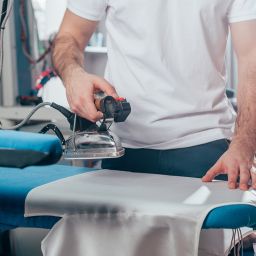
Finishing is where the garment regains its shape and presentation. A trained presser reshapes collars, shoulders, and hems, removes any residual wrinkles, and checks that the garment hangs correctly. Lining is smoothed, buttons are checked, and the overall silhouette is assessed against the original fit. This final quality check ensures that the garment leaves the facility looking and sitting the way the customer expects. It is a step that a home wash and dry simply cannot replicate, because it requires both the equipment and the trained eye to restore a structured garment to its intended form.

Preparing Garments for Service and Setting Expectations
A few minutes of preparation before dropping off a garment can make the cleaning process smoother and the result more consistent. Empty pockets of receipts, coins, and small objects that could shift during cleaning. Check for loose buttons and note them, either by writing on the tag or mentioning them to the technician at drop-off. If there is a stain you want addressed, point it out and say so. A general “please clean this” instruction gives the technician a baseline, but a specific note about a wine mark on the sleeve or a grease spot near the cuff allows for targeted attention during the inspection and finishing stages.
Reading the care label before drop-off is worth the effort. If the label says “dry clean only,” the professional process is the intended method and no further question is needed. If the label offers multiple options or is unclear, mentioning that to the technician helps them confirm the appropriate approach. Noting any areas of the garment that are especially delicate, such as a hand-stitched hem or a section with recent minor damage, gives the finishing technician something to watch for during pressing and inspection.
It is also helpful to understand what professional cleaning can and cannot do. The process removes accumulated soil, refreshes the fabric, restores the garment’s shape, and generally improves the overall appearance. It is not a stain-removal guarantee in the way that a product label might suggest. Certain stains, particularly those that have set over time or that have reacted chemically with the fiber, may lighten or shift but not disappear entirely. Professional cleaning extends the life of a garment and keeps it looking its best, but it works within the limits of the fabric and the age of the soiling. Setting that expectation at the point of drop-off, and asking questions if a result does not match what was hoped for, is the most practical way to use the service well.
Understanding what dry cleaning is, which garments it suits, and what happens between drop-off and return takes the guesswork out of caring for the pieces in your wardrobe that are too structured, too delicate, or too important to risk in a home wash. If you have a garment you are unsure about, or a care label that is not entirely clear, the simplest next step is to bring it in and ask. At Prestige Cleaners, our team in Scottsdale and Carefree is available to look at a piece, confirm the appropriate care method, and walk you through what to expect before anything goes into the cleaning cycle
Professional dry cleaning is a garment care process that uses specialized cleaning solvents rather than traditional water and detergent. These solvents help dissolve oils, body soils, and many types of stains while minimizing the risk of shrinkage, color fading, and fabric distortion. The process typically includes garment inspection, stain pre-treatment, cleaning, drying, pressing, finishing, and a final quality inspection before the garment is returned.
Home washing relies on water, detergent, and mechanical agitation, which can be damaging to delicate fibers, structured garments, and items made with multiple fabric types. Water exposure may cause shrinkage, stretching, color bleeding, or loss of shape in certain materials, including wool, silk, and specialty fabrics. Professional dry cleaning provides an alternative for garments that may not tolerate conventional washing.
The primary difference is the method of care. Home laundering is generally appropriate for durable, machine-washable fabrics, while professional dry cleaning is recommended for garments requiring specialized attention to maintain their texture, shape, color, and overall appearance.
Garments made from delicate fabrics, featuring structured tailoring, or containing specialty finishes often benefit most from professional dry cleaning. Suits, blazers, tailored coats, and garments with non-washable linings are commonly dry cleaned to maintain their structure and prevent shrinkage. Fabrics such as wool, cashmere, silk, and velvet may also require specialized cleaning to protect their texture, appearance, and shape.
Clothing with embellishments, beading, sequins, or bonded layers can be particularly vulnerable to damage in a home washing machine. Mechanical agitation may loosen stitching, snag delicate trims, or damage decorative elements. Garments containing leather, suede, or specialty coatings may require additional cleaning methods based on their materials and construction.
Professional dry cleaning can also effectively remove body oils and everyday stains while helping preserve the garment’s original feel and finish. For delicate or structured clothing, professional care offers a balance of effective cleaning and fabric protection that may not be achievable through traditional home laundering.
Fabric type plays an important role in determining the safest cleaning method for a garment. Natural fibers such as wool and silk can be sensitive to water, heat, and agitation, potentially resulting in shrinkage, distortion, or changes in texture. Certain synthetic and specialty fabrics may also lose their shape or finish when exposed to traditional washing methods.
Garment construction is equally important. Structured clothing often contains interlinings, adhesives, and multiple fabric layers that may react differently to water. For example, a garment with a cotton exterior and silk lining may require specialized care to protect both materials.
Design details such as pleats, darts, and structured shoulders also influence cleaning recommendations. Traditional washing can affect these features, causing garments to lose their intended shape. Professional garment care specialists evaluate both fabric composition and construction to determine the most appropriate cleaning method.
When dropping off garments at a professional dry cleaner, a staff member may inspect your items, identify visible stains or damage, and document any special cleaning requests. You can point out areas of concern, discuss pressing preferences, and confirm your preferred turnaround time. A claim ticket or digital receipt is typically provided to help track your order.
After drop-off, garments move through the appropriate cleaning process, which may include inspection, stain pre-treatment, cleaning, drying, pressing, and finishing. Quality checks help ensure that garments receive the proper care and are ready for return.
At pick-up, your garments are returned cleaned, pressed, and ready to wear or store. Depending on the service, items may be placed on hangers or packaged for protection. Professional garment care services aim to provide a convenient, consistent experience while helping maintain the appearance and longevity of your clothing.
Standard professional dry cleaning turnaround times vary depending on the garment, cleaning requirements, and service provider. Many dry cleaners complete routine garments within two to three business days, while others offer expedited or same-day services for qualifying items.
Several factors can affect turnaround time, including garment construction, fabric type, staining, and the amount of specialized care required. Delicate garments, heavily soiled items, and clothing requiring hand finishing may take longer to process. Seasonal demand and higher order volumes can also influence completion times.
Additional services, such as specialized stain removal, repairs, or alterations, may extend the turnaround time. If you need an item cleaned by a specific date, communicate your deadline at drop-off and confirm whether expedited service is available.
When a garment becomes stained, prompt attention can improve the chances of successful removal. Before bringing the item to a professional dry cleaner, make note of the type of stain, when it occurred, and whether any cleaning products have already been applied. Sharing this information helps the cleaner determine the most appropriate treatment.
Avoid using household stain removers, bleach, or aggressive cleaning methods on delicate garments. Certain products may permanently discolor fabrics, damage fibers, or make stains more difficult to remove. Do not iron or apply heat to stained areas, as heat can cause some stains to set.
For fresh spills, gently blot excess liquid with a clean, white cloth without rubbing. Rubbing may spread the stain or push it deeper into the fabric. Bring the garment to a professional cleaner as soon as possible and point out the affected area during drop-off.
Garment care labels provide important information about recommended cleaning methods. A circle symbol generally indicates professional dry cleaning, while letters inside the circle identify permitted cleaning solvents. The letter P indicates certain professional dry cleaning solvents, while F specifies hydrocarbon solvents. A circle containing the letter W indicates professional wet cleaning, and a crossed-out circle means the garment should not be dry cleaned.
Written instructions such as “Dry Clean Only” indicate that the manufacturer recommends dry cleaning rather than home washing. Other labels may provide additional guidance about water temperature, drying methods, ironing, or special handling requirements.
If a care label is missing, faded, or unclear, a professional garment care specialist can help determine the safest cleaning approach. Fabric composition, garment construction, and decorative details all play a role in selecting the appropriate method.
Dry cleaning and wash-and-fold laundry services use different cleaning methods and are designed for different types of garments. Professional dry cleaning uses specialized solvents to clean delicate, structured, or water-sensitive clothing while helping preserve its shape and appearance.
Wash-and-fold laundry services use water and detergent to clean everyday clothing and household textiles. Items such as T-shirts, casual pants, towels, sheets, and other machine-washable fabrics are typically suitable for this service. After cleaning and drying, garments are folded and packaged for convenient pickup or delivery.
Dry cleaning generally includes individual garment inspection, stain treatment, and professional pressing, while wash-and-fold focuses on efficiently cleaning everyday laundry. Choosing the appropriate service depends on the fabric, garment construction, and manufacturer’s care instructions.
Certain garments and specialty items should not be washed at home because water, heat, and mechanical agitation can cause permanent damage. Wedding gowns, formal dresses with intricate beadwork, and garments containing leather or suede may lose their shape, experience discoloration, or suffer damage to decorative details during conventional washing.
Structured suits, tailored jackets, and garments with non-washable linings may also be vulnerable to shrinkage, distortion, or separation of internal materials. Some delicate fabrics, including certain silks, wools, and specialty textiles, require professional cleaning to maintain their original appearance and texture.
Items with sentimental, historical, or significant monetary value should be professionally evaluated before cleaning. A garment care specialist can assess the fabric, construction, and condition to recommend a method that minimizes the risk of damage.
Always check the manufacturer’s care label before attempting to wash a garment at home
We operate eight locations throughout Scottsdale and Carefree, Arizona, providing convenient access to professional dry cleaning and garment care services. Most locations are open Monday through Friday from 7:00 AM to 6:00 PM and Saturday from 8:00 AM to 6:00 PM. Our Carefree location is open Monday through Friday from 8:00 AM to 5:00 PM and Saturday from 9:00 AM to 3:00 PM.
We offer same-day processing for many qualifying garments dropped off by 10:00 AM, along with 24-hour drop-off and pickup options at select locations. Complimentary pickup and delivery services are also available for homes and offices, making professional garment care even more convenient.
Customers can use the Prestige App to check order status, receive reminders, update account information, locate stores, and access promotions. With multiple drive-through locations, 24-hour garment drop boxes, and personalized pickup and delivery services, we make it easy to incorporate professional dry cleaning into your busy schedule.